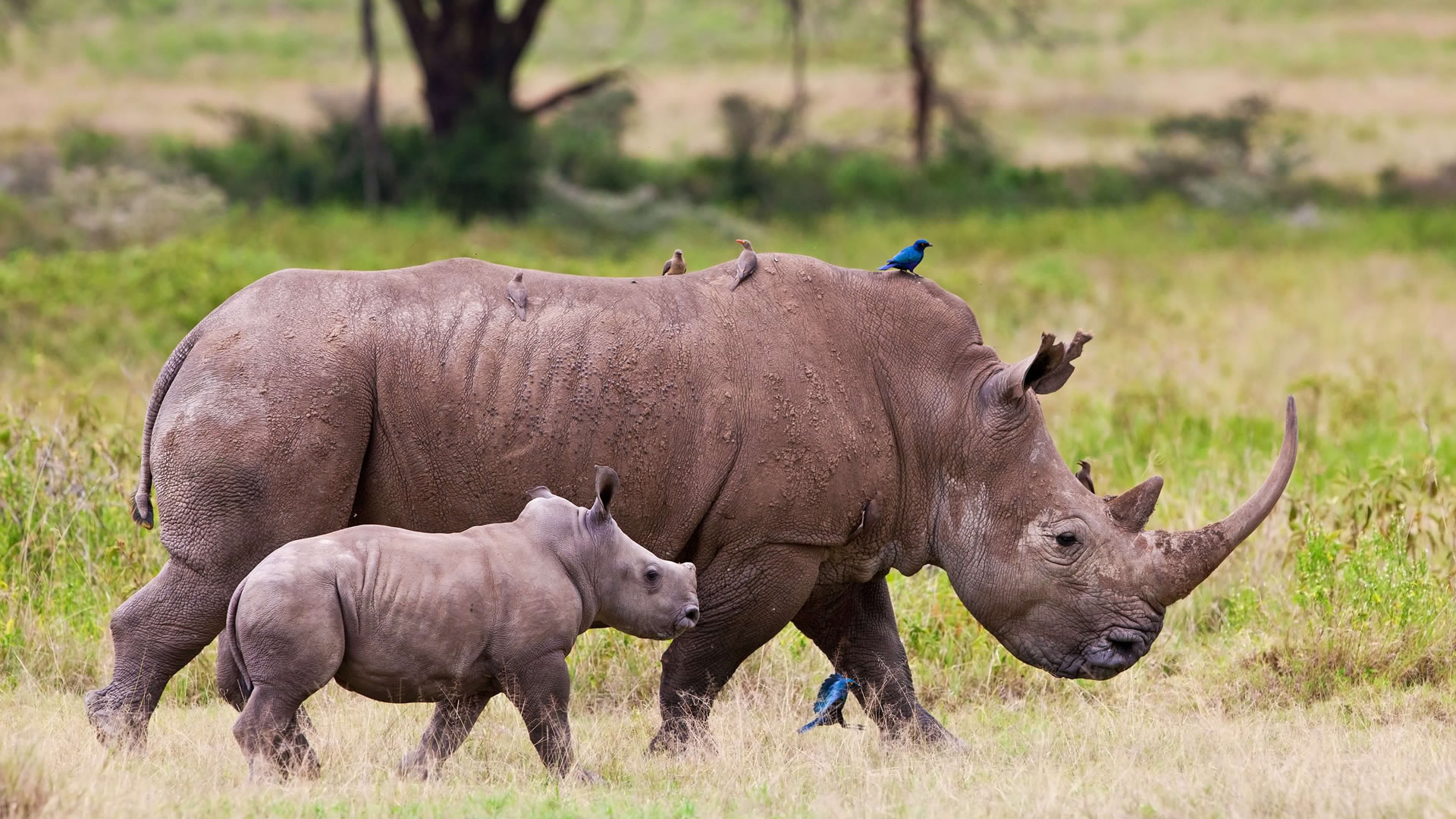
Lake Nakuru National Park

Lake Nakuru National Park

Background Info: Lake Nakuru National Park

Located in the Great Rift Valley, Lake Nakuru National Park sits at an elevation of 1,745 m, and it is famous for the vast numbers of flamingos that feed off its algae. Lake Nakuru varies in size according to rainfall, and its surface area varies between 5-45 km². The park lies south of Nakuru, the fourth-largest settlement in Kenya. Feeding pressures and pollution have reduced the flamingo population in recent years, but there are now signs of recovery. Lake Nakuru National Park is also home to a large rhino population. These beasts can often be spotted lazing under the shade of the luscious acacia trees that surround the lake. Surrounded by waterfalls, cliffs, and forests, the lake is a vital water source for zebra, buffalo, and the endangered Rothschild giraffe. Lake Nakuru’s flamingos are the park’s primary attraction. However, you also have the chance of seeing a broader variety of species, including rhinos, giraffes, and leopards.


Destination Highlights - Lake Nakuru National Park

  • Flamingos and Birdwatching: The park is famous for the vast flocks of flamingos that once covered the lake in a shimmering pink.
  • Rhino Sanctuary: Lake Nakuru is a successful rhino sanctuary, and it's one of the best places in Kenya to see both the endangered black and white rhinos up close.
  • Diverse Mammals: The park is home to a wide range of other mammals, including lions, leopards, buffalos, Rothschild's giraffes, zebras, hyenas, and a variety of antelopes like waterbucks and impalas.
  • Scenic Viewpoints: The park's hilly terrain offers several vantage points with breathtaking panoramic views of the lake and the surrounding landscape.
  • Makalia Falls: Located in the southern part of the park, this small but beautiful waterfall is a great spot for a picnic, especially after the rainy season when it's at its fullest.
  • Picnicking: There are several designated picnic sites, like Baboon Cliff and Makalia Falls, that offer scenic spots to relax and enjoy the views.
Lake Nakuru National Park

Lake Nakuru National Park Wildlife Experience

Lake Nakuru National Park supports a spectacular array of wildlife, including 400 bird species, over 50 mammal species, and over 50 species of flora. In 1987, the park was declared a rhino sanctuary, and the park’s white and black rhinos have thrived in recent years. In 2009, the park was home to over 25 eastern black rhinoceroses and around 70 southern white rhinoceroses. However, Lake Nakuru is most famous for the flocks of up to 2 million greater and lesser flamingos that nest on its shores. In 1977, the endangered Rothschild Giraffe was introduced to the park. These giraffes were relocated from western Kenya for their protection, and Lake Nakuru is now home to a healthy population of Rothschild Giraffes. You can also expect to see waterbuck, Cape buffalo, hyenas, and hippos. Fortunate adventurers may get a glimpse of lions, cheetahs, and leopards. Leopard sightings have increased in recent years. Large pythons inhabit the park’s woodland, and you may see them hanging from trees.

Locate the Lake Nakuru National Park

Lake Nakuru National Park

Best time to visit
The Lake Nakuru National Park

The best time to visit Lake Nakuru National Park is during the dry seasons. June to October is the long dry season, and January to March is the short dry season. During the dry seasons, many of the smaller watering holes dry up, causing animals to gather at Lake Nakuru for water. This significantly increases your chances of wildlife sightings.

Lake Nakuru National Park

How to get there

If you are driving from Nairobi, you can travel along the Nairobi-Nakuru Highway. The drive takes around 3.5 hours, and you will drive along a mixture of tarmac and gravel roads. From the town centre at Nakuru, it is a further 4km to the entrance gate to the park. If you are coming up from the Maasai Mara, you can use the Nderit Gate entrance on the west side of the park. It is also possible to fly to from Nairobi, and the flight from Jomo Kenyatta International Airport Lake Nakuru to the Naishi Airstrip takes just 25 minutes.

Lake Nakuru National Park Birdlife

Lake Nakuru National Park is one of the top birding destinations in Kenya, with more than 400 species of birds recorded in the park. For bird-watching lovers, the lake is a haven for birds. Birds of Lake Nakuru include greater flamingo, lesser flamingo, common ostrich, guinea fowl, pheasants, grouse, allies, little grebe, pigeons, doves, sand grouse, bustards,cuckoos, night jars, swifts, cranes, stilts, avocets, plovers, lapwing, painted-snipes, sandpipers, crab plover, gulls, terns, skimmers, storks, cormorants, shags, pelicans, hamerkop, herons, egrets, bitterns, ibis, spoonbills, osprey, hawks, eagles, kites, owls, mouse birds, hoopoes, scimitar bills, hornbills, kingfishers, bee-eaters, rollers, african barbets, honey guides, woodpeckers, falcons, caracaras, parrots, cuckoo shrikes, old worldorioles, vangas, helmet shrikes, bush shrikes, drongos, monarch flycatchers, crows, jays, magpies, tits, chickadees, titmice, larks, african warblers, cisticolas, reed warblers, swallows, bulbuls,leaf warblers, white- eyes, yuhinas, laughing thrushes, starlings, old world flycatchers, sunbirds, spider hunters, weavers, waxbills, wagtails, pipits, finches, euphonias, old world buntings.