Tsavo East National Park

Tsavo East National Park

Background Info: Tsavo East National Park

Situated in Kenya's southeast, Tsavo is near the Tanzanian border and is close to the Kenyan coast. Named after the river that flows through the parks, Tsavo is split into two national parks, Tsavo East and Tsavo West, and is divided by the Mombasa-Nairobi highway. Tsavo East is one of the oldest, and is the largest national park in Kenya, and together with Tsavo West covers just over 20,000 square kilometres, or 4% of Kenya. Spanning 13,747 square kilometres of pristine wilderness, it is also one of the most extensive protected areas in Kenya and has more biodiversity than any other park globally, as it marks the meeting point between northern and southern wildlife. It is 9 times bigger than the Maasai Mara and is well known for its mane-less lions, big herds of red dust-covered elephants, and cheetah.

Tsavo East National Park is perfectly situated halfway between Nairobi and the Kenyan coastal resorts. This means Tsavo is perfect if you want to combine a Kenyan safari with a beach holiday. Diani Beach, located just 30km south of Mombasa and approximately a four-hour drive from Tsavo East, is a stunning tropical paradise and has been awarded the best beach destination in Africa for five years running.


Destination Highlights - Tsavo East National Park

  • The "Red Elephants of Tsavo":Perhaps the most iconic sight in Tsavo East is its huge herds of elephants, which are famous for their unique red color. This is not due to their skin but rather to their habit of wallowing and dust-bathing in the park's iron-rich, red soil. The sight of these magnificent animals, often in large numbers, is a powerful and memorable spectacle.
  • Legendary Man-Eater Lions:The park has a history that adds a thrilling layer to its story. During the construction of the Kenya-Uganda railway in the late 19th century, two maneless lions of Tsavo terrorized the workers, killing a reported 135 people. This history, popularized in books and films, makes a lion sighting in the park even more spine-chilling..
  • Yatta Plateau:This is the world's longest lava flow, stretching for over 290 kilometers along the park's western border. It's a striking and unique geological landmark.
  • Lugard Falls: Here, the Galana River plunges over a series of strangely eroded rocks, creating a scenic and powerful cascade of rapids. The area is also known for its population of hippos and crocodiles.
  • Mudanda Rock:A massive, whale-backed rock formation that acts as a natural water catchment. It overlooks a natural dam that attracts a high concentration of animals, especially elephants, during the dry season. It's an excellent vantage point for game viewing.
  • Aruba Dam:This man-made dam on the Voi River is another popular watering hole, providing a great opportunity to see a variety of wildlife, including buffalos and numerous bird species.
Tsavo East National Park

Tsavo East National Park Wildlife Experience

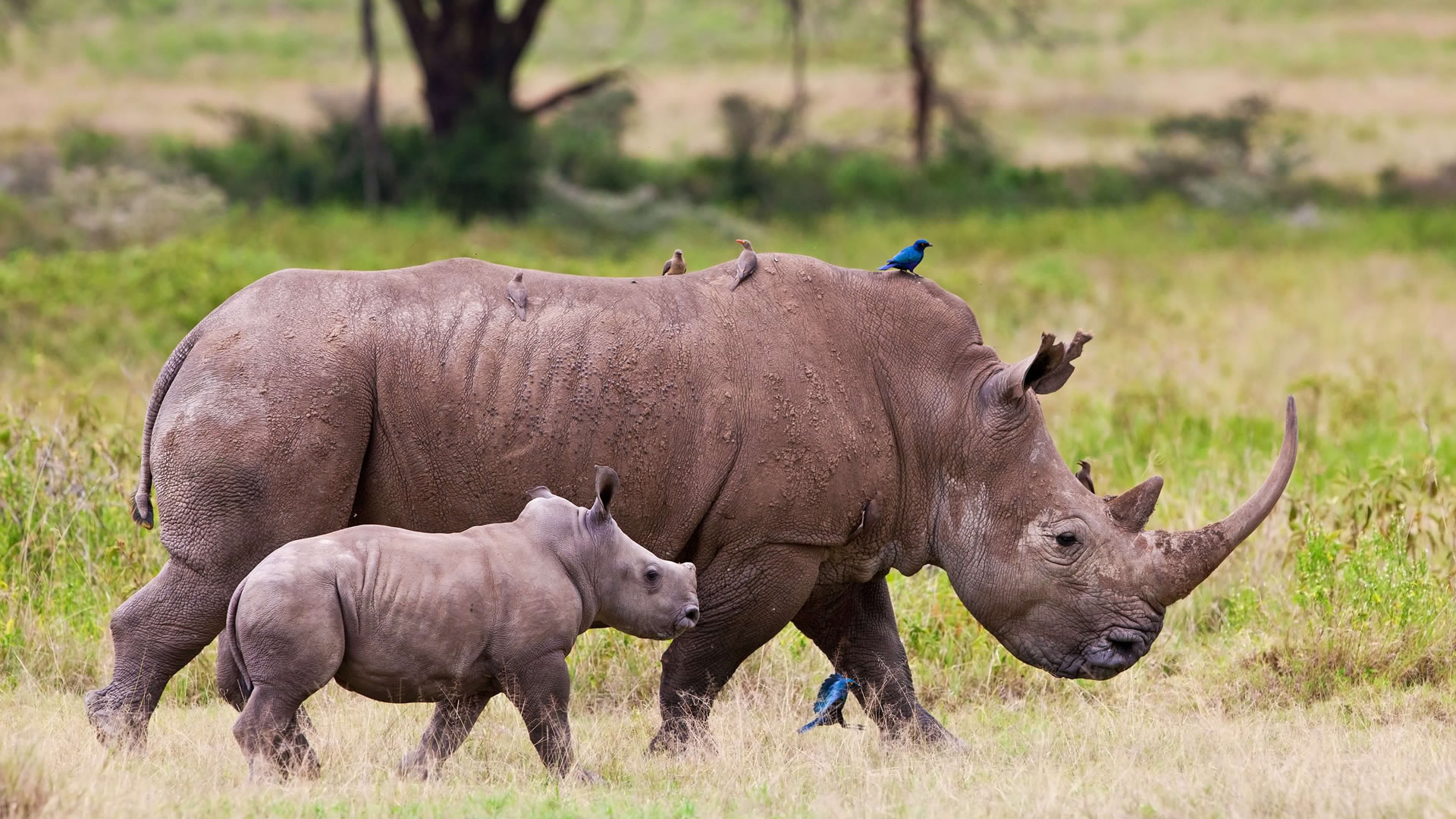
Tsavo East National Park has an abundance of wildlife. During your adventure, you will see and take pictures of your favourite animals as they roam freely in their natural environment. Some of the animals you will expect to see are the “Big Five” (Elephants, Rhinos, Buffalos, Lions and Leopards). Other include southeast African cheetahs, giraffes, plain and stripped zebras, wild dogs, gazelles, kudus, oryx, eland, crocodiles, hippos, bushbuck, bush baby, caracal, African civet, Dik-Dik, bat-eared-fox, gerenuk, spring hare, mongoose, vervet monkey, syke’s monkey, yellow baboons, aardwolf, African wild cat, Kirk's blue duiker, common eland, klipspringer, coke’s hartebeest, spotted hyena, black-backed jackal and side, stripped jackal, lesser kudu, impala, crested porcupine, giant rat, elephant shrew, northern greater galago, yellow-spotted rock hyrax among many others.

Locate the Tsavo East National Park

Tsavo East National Park

Best time to visit
The Tsavo East National Park

The best time to visit Tsavo East is in the dry season from July to September and December to March. These months provide the best wildlife viewing opportunities as the grass is short and the animals are drawn to water sources, especially to the river banks. It is generally advised to avoid March to May, the long rainy season and October to November, the short rains. Access becomes more difficult due to muddy roads, wildlife viewing is more challenging and planned excursions might be affected by torrential rains during these months.

Tsavo East National Park

How to get there

Tsavo East is in southeast Kenya, 325km/201mi from Nairobi and 250km/ 155mi from Mombasa and roughly a five-hour drive. The main access routes are through Chyulu Gate from Amboseli and Mtito Andei Gate from Nairobi. Visitors from Mombasa will make use of Tsavo Gate near Manyani. There are no scheduled flights to Tsavo East, but there are several airstrips available for chartered flights. The distance from Lake Nakuru National Park is 450km/280mi, and the driving time is about 5-7 hours, dependent on road conditions and traffic. Many choose to stop here for a picnic lunch/short game drive if travelling from Nairobi.

Tsavo East National Park Birdlife

If you enjoy birdwatching, there is plenty to be excited for, as Tsavo East National Parks attract over 500 species of birds. Birding in the park is a thrilling safari activity. Many tourists appreciate that about 400 species constitute the resident birds, while the other 100 are migratory birds. They include the Martial Eagle, African Finfoot, Parrot, Secretary bird, Golden Pitpit, Somali Ostrich, Golden Breasted Starling, Little Egret, Hamerkop, Masai Ostrich, Black-Faced Sangrouse, Love Birds, Vultures and many others.