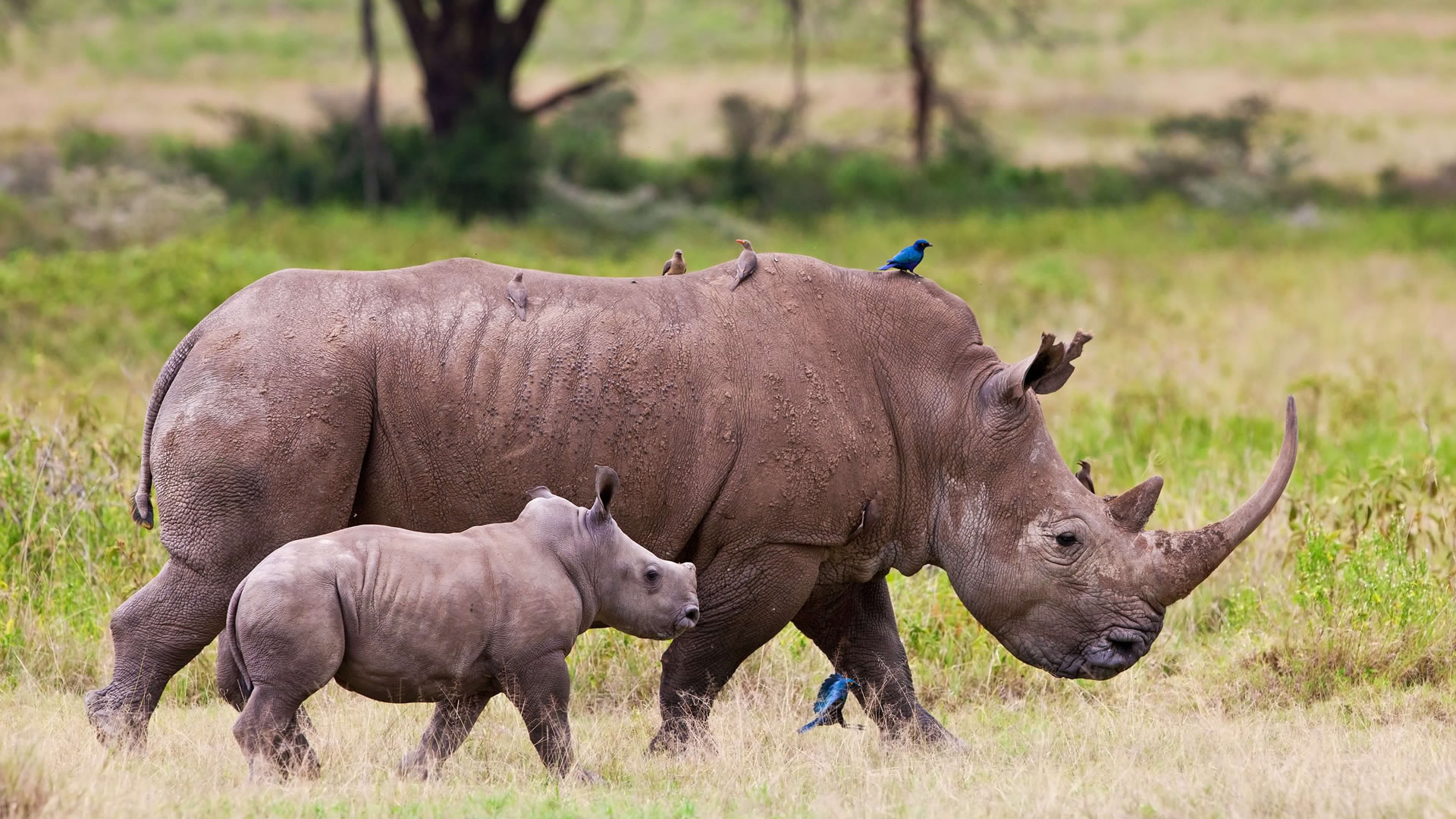
Meru has a special history and was where George and Joy Adamson released lioness Elsa back into the wild during the 60s, a story immortalised in the film Born Free. But it was neglected for two decades and fell off most safari itineraries. Recently restored to its former glory, it's yet to attract the attention it deserves. The guarded rhino sanctuary is an exhilarating highlight and you're virtually guaranteed to both see black and white rhinos in their wild habitat. The park is home to a huge variety of animals, including the Big Five: lion, leopard, rhinoceros, elephant, and Cape buffalo. Zebras and gazelles are known to roam free across much of the park, grazing on dry yellow tufts of grass. The rivers around the park are also home to a lot of wildlife. Within the murky depths, crocodiles lurk, waiting to pounce on anything brave enough to approach these shores. Hippos can often be seen sunbathing on the banks of the various rivers and lakes across the park.
Enveloped by rows of impenetrable woodlands, turbulent rivers and meandering streams, Meru National Park is one of Kenya's most beautiful wilderness areas, and a great safari destination. Covering an area of 870 km², the national park has 3 distinct micro-ecosystems which support a diverse range of flora and fauna. The northern third of the park is a bushland area; a vast sparse plain dotted with small groups of thinning trees. East of the bush is a deep impenetrable tangle of overgrown shrubbery and towering trees. This ethereal, wet woodland is where most of the 13 rivers that intersect the park meet, joining, twisting and breaking from each other as they go. Much of the rest of the park is covered in short savannah grass. From across the park, the towering Mount Kenya can be seen, watching over this paradise.