Nairobi National Park

Nairobi National Park

Background Info: Nairobi National Park

Situated just 7 miles from the center of Kenya’s capital city, Nairobi National Park is a pretty special phenomenon. Where else can you view critically endangered rhinos against a backdrop of downtown skyscrapers, or spot giraffes from your window seat as you land at the city’s international airport? For those about to embark on a tour of Kenya’s more famous safari destinations (think Amboseli, Tsavo, Samburu, and the mighty Maasai Mara), Nairobi National Park offers a worthwhile introduction to the country’s animal and birdlife. For those passing through the capital, the park is an opportunity to get a taste of the wild without ever leaving the city limits.

This iconic park is the only national park within the limits of a capital city. It is home to a diverse array of wildlife including lions, leopards, buffalos, zebra, antelopes, giraffe and over 400 species of birds. Once inside the park, it really does feel like you have left the city behind. Sunset over the Ngong Hills and vast vistas stretching down over acacia-dotted plains are evocative of the spirit of Africa.


Destination Highlights - Nairobi National Park

  • The "Only Wildlife Capital in the World":This is the park's most famous and defining feature. The surreal sight of wild animals—from giraffes and zebras to lions and rhinos—roaming freely against the backdrop of Nairobi's towering city skyline is a truly unforgettable experience that you can't find anywhere else.
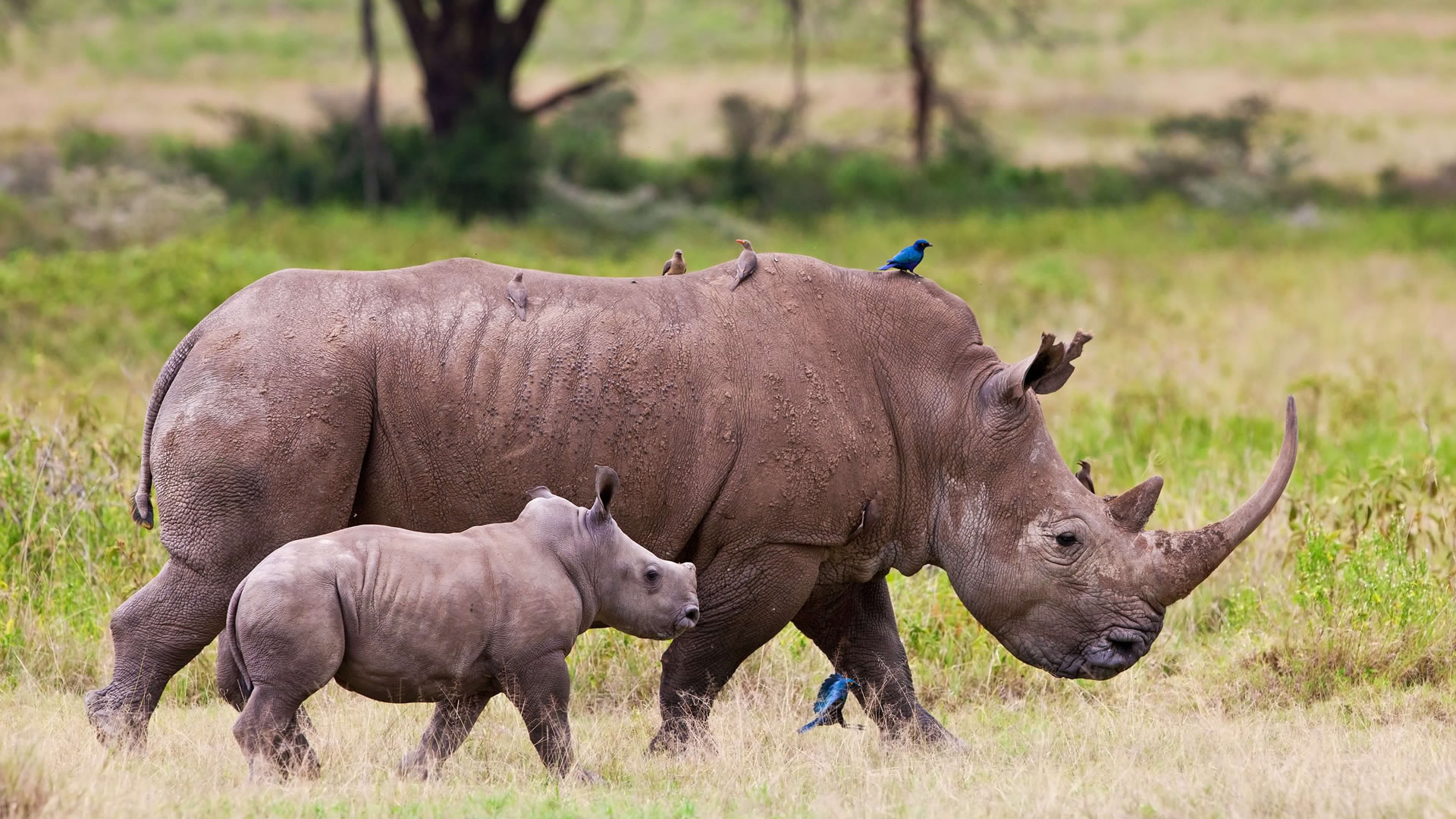
  • A Critical Rhino Sanctuary:Nairobi National Park is one of Kenya's most successful rhinoceros sanctuaries. It is a vital breeding ground for the endangered black rhino and also home to a population of white rhinos. This makes it one of the best places in Kenya to see these magnificent and rare creatures in their natural habitat.
  • Big Five & Birdlife:While elephants are absent, the park is home to four of the "Big Five": Lions, Leopards, Buffaloes & Rhino. There are over 400 species of birds, making it a birdwatcher's paradise.
  • The Ivory Burning Site Monument: This historic landmark commemorates a powerful moment in conservation history. It's the site where former Kenyan presidents publicly burned massive stockpiles of seized ivory to make a strong statement against poaching and the illegal wildlife trade.
  • Nairobi Safari Walk:Located at the main entrance, this raised wooden boardwalk allows you to see some of Kenya's wildlife in a more controlled and educational environment
  • The Nairobi Animal Orphanage: This facility provides care and rehabilitation for injured and orphaned wild animals. It offers visitors a chance to see animals up close that are being prepared for release back into the wild.
Nairobi National Park

Nairobi National Park Wildlife Experience

Head out on a game drive early in the morning, and you can spot some of 100 different mammal species that call this park home, including rhino, buffalo, lion, leopard, zebra, gazelle and giraffe. If you are a keen birder, Nairobi National Park has over 400 recorded migratory and endemic bird species. The park has a number of designated picnic spots, and the savannah and wildlife juxtaposed by the city skyline in the background is a surreal sight.

The Nairobi Safari Walk - a 2.5 km circuit - follows a raised wooden platform taking you over a simulated forest, wetland and savannah habitats. You'll pass plenty of wildlife en-route, and it's a great opportunity to stretch your legs and learn more about Kenya's ecosystems from the local guides. Along the trail, you may spot the rare forest-dwelling bongo, albino zebra, primates and big cats. This is an excellent half-day excursion, which you can do after a game drive or visit to the animal orphanage.

Locate the Nairobi National Park

Nairobi National Park

Best time to visit
The Nairobi National Park

June to October is the long dry season in Kenya and is the best time to visit Nairobi National Park. As a general rule, the further into the dry season you go, the better the game viewing gets. In November and December, there is a short rainy season, and the park is especially beautiful at this time of year as the vegetation is lush and there are many migratory birds present. From January to March, the dry conditions return, and it is a good window to visit as you can enjoy the stunning post-rain scenery, whilst keeping mostly dry!

Nairobi National Park

How to get there

Aside from the main gate, which is situated 7 km from the city centre, there are two other gates on Magadi Road and the Athi River gate; the latter is great if you plan to continue to Mombasa, Amboseli, or south to Tanzania. Unless you have a car, the most affordable way to see the park is on the shuttle, a large Kenya Wildlife Service (KWS) bus that leaves the main gate at 2 pm on Sunday for a 3-hour tour.

Nairobi National Park Birdlife

Nairobi National Park is a paradise for birdwatching. If you are an avid bird watcher, the park should be on your list. Over 500 bird species are in the park, with magnificent colours supported by the park's ecosystem, ranging from acacia trees to undistributed grasslands. Some of the birds include Ostriches, bustards,gabar goshawk, bateleur Masai Ostrich, lesser kestrel, sooty falcon, African finfoot, white bellied-bustard, kori bustard, Fischer’s lovebird, augur buzzard, Martial eagle, lappet-faced vultures, Abyssinian thrush, Jackson’s widow, long-tailed fiscal, black-headed heron & secretary bird among others.