Tsavo West National Park

Tsavo West National Park

Background Info: Tsavo West National Park

Tsavo West National Park is known as “ Land of Lava, Springs, Man-eaters and Magical Sunsets”. Its popularity is based on the man eating lions that killed hundreds of people during the construction of the Railway line and the highway during the colonial era. Tsavo West national park is the second largest national park in Kenya covering an area of 9,065 square kilometres. Its separated from Tsavo East national by the A109 highway that connects Nairobi to Mombasa. The park is also a home of over fifty million gallons of crystal clear water that comes from under parched lava rock. The park is more scenic than tsavo east national park with rugged mountainous areas. The Mzima springs and the Shetani lava flows are unique attractions found at the park. Tsavo West national park is wetter than tsavo east national park.

To the south of Tsavo West, the Lumo Community Wildlife Sanctuary, directly bordering the well-known Taita Hills Game Sanctuary, is one of Kenya’s most successful new community conservation initiatives. If you’re interested in Lumo safaris you’ll find there’s just one lodge on the conservancy and that it shares a common border with the Taita Hills Sanctuary.


Destination Highlights - Tsavo West National Park

  • Mzima Springs:This is arguably the most famous attraction in the park. Mzima Springs is a series of crystal-clear pools formed by the underground water filtered through volcanic rock from the Chyulu Hills. Visitors can enjoy a short walking trail through the lush acacia and fig trees to an underwater viewing chamber, where you can watch hippos and crocodiles swimming in their natural environment.
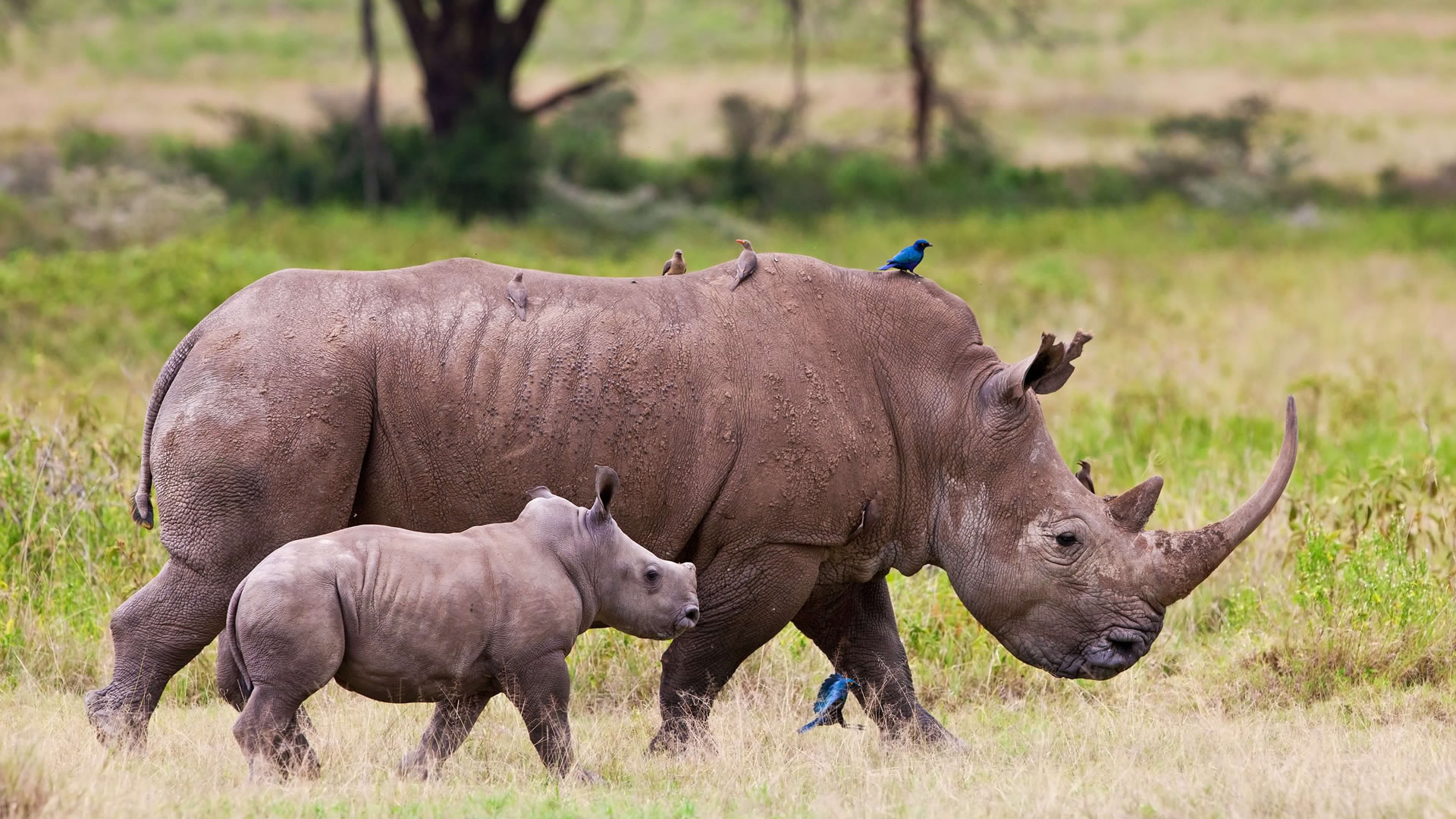
  • Ngulia Rhino Sanctuary:Tsavo West is a vital refuge for the critically endangered black rhino. The Ngulia Rhino Sanctuary is a heavily protected, fenced-off area within the park where a growing population of black rhinos is being carefully monitored and conserved. A visit here offers one of the best chances in Kenya to see a black rhino.
  • Shetani Lava FLow:A vast, black lava field formed by a volcanic eruption approximately 200 years ago. The name "Shetani" means "devil" in Swahili, and local legend claims it was the devil himself emerging from the earth. You can walk on this solidified lava flow and explore the nearby caves.
  • Chaimu Crater: A volcanic cone of bright black lava stones that you can climb for panoramic views of the park's rugged terrain.
  • Poachers Lookout:A high vantage point offering breathtaking views of the plains, with Mount Kilimanjaro visible on a clear day.
  • Diverse Wildlife:savo West is home to all of the "Big Five" (lion, leopard, rhino, buffalo, and elephant), though the dense vegetation can make spotting them a bit more challenging than in other, more open parks. The park is well-known for its large herds of elephants, often seen drinking at waterholes. Other animals you may spot include cheetahs, giraffes, zebras, and various antelope species like the lesser kudu and klipspringer.
Tsavo West National Park

Tsavo West National Park Wildlife Experience

Wildlife densities in Tsavo West National Park aren’t that great, but everything is there – you just need to be patient. There are many elephants, and they are often covered in red dust, giving them an eerie appearance. The park is also known for its maneless lions and big herds of buffalo. Black rhinos have been on the comeback in Tsavo since the 1980s when they were close to being locally extinct.

Tsavo West is one of the best places to see the skittish lesser kudu. The rocky terrain is also a good habitat to look for klipspringers, which are often seen in pairs. Watch also for antelope that thrive in arid conditions, including the very localized fringe-eared oryx and gerenuk. The drive-through rhino sanctuary increases your chances of spotting the elusive black rhino.

Locate the Tsavo West National Park

Tsavo West National Park

Best time to visit
The Tsavo West National Park

The best time to visit Tsavo West is in the dry season from July to September and December to March. These months provide the best wildlife viewing opportunities as the grass is short and the animals are drawn to water sources, especially to the river banks and watering holes in front of lodges. It is generally advised to avoid March to May, the long rainy season and October to November, the short rains. However, Tsavo West is a semi-arid climate, and rainfall is more infrequent than other parks, so this is a great park to choose if you are travelling on the cusp of the rainy season.

Tsavo West National Park

How to get there

Tsavo West is situated in the southeast Kenya, 232km/144mi from Nairobi and 250km/155mi from Mombasa, and rough takes 4-6 hours driving. Driving to the reserve from Nairobi, Mombasa or another park is a good option depending on your itinerary. If coming from Nairobi, many choose to stop at Lake Nakuru National Park for a short game drive and picnic lunch. There are scheduled flights to Tsavo West from Nairobi Wilson Airport, and several other parks including Maasai Mara and Amboseli. There are also airstrips available for chartered flights.

Tsavo West National Park Birdlife

If you enjoy birdwatching, there is plenty to be excited for as Tsavo West National Parks attracts over 500 species of birds. Birding in the park is a thrilling safari activity many tourists appreciate. 400 bird species constitute the resident birds, while the other 100 are migratory birds. Migratory birds are present for only 2-3 months before they leave for different parts. Rainy seasons, March to May and November, are the best times for birding because they are the breeding season and time for migrant birds to flock to the park.

Birds in Tsavo West national Park: They include the martial eagle, African finfoot, parrot, secretary bird, Somali ostrich, golden-breasted starling, little egret, hamerkop, Masai ostrich, black-faced sandgrouse, love birds, vultures, Savi's warbler, ortolan bunting, Isabelline shrike, house sparrow, house crow, golden pipit, papyrus gonolek, red-bellied parrot, vulturine guineafowl, Taita fiscal, little egret, slender tailed night jar, common bulbul, martial eagle, Rufous chatterer, and many more.