1. What makes Uganda a unique safari destination?
It’s home to more than 10 national parks and 12 reserves, offering everything from dense tropical forests to savannas and wetlands. Travelers can track mountain gorillas and chimpanzees, spot tree-climbing lions in Ishasha, and enjoy traditional game drives in parks like Queen Elizabeth and Murchison Falls. Uganda also offers birdwatching opportunities with over 1,000 recorded species, including the rare shoebill storkand raft the source of the Nile—all in a single trip. With a blend of adventure, natural beauty, and warm local hospitality.
2. Where can i see mountain gorillas in Uganda?
You can see mountain gorillas in Uganda’s Bwindi Impenetrable National Park andMgahinga Gorilla National Park. These parks offer several habituated gorilla families that visitors can trek to see, guided by expert rangers. Each trek is an unforgettable journey through misty forests, filled with birds, butterflies, and the sounds of the jungle.
3. What wildlife can i see on a Uganda wildlife safari?
Uganda is one of Africa’s most rewarding wildlife destinations. Visitors can see gorillas, chimpanzees, elephants, lions, leopards, buffalo, and hippos, as well as numerous antelope and primate species. The country is also a paradise for bird lovers, with more than 1,000 bird species, including the Great Blue Turaco and the iconic shoebill. In Queen Elizabeth National Park, you can spot tree-climbing lions, while Murchison Falls offers classic Big Five sightings. Every park has its own unique appeal, making Uganda a true all-round destination for nature and wildlife enthusiasts.
4. Which park is home to the five of the Big Five?
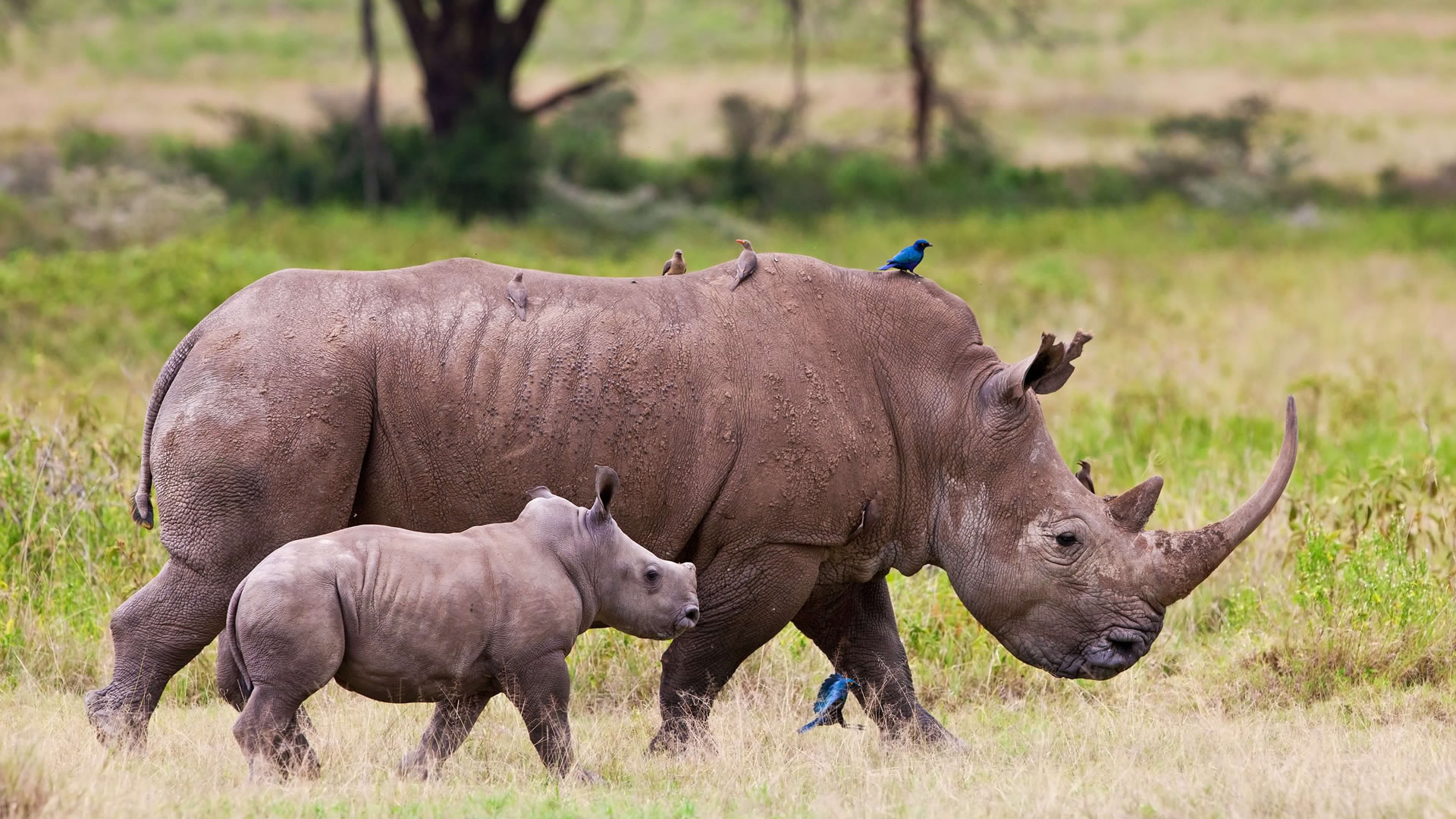
Murchison Falls National Park is Uganda’s largest park is where you can see all members of the Big Five. Lions, elephants, leopards, and buffalo are common sightings, while rhinos have been reintroduced nearby at the Ziwa Rhino Sanctuary, completing the Big Five experience. The park also features the spectacular Murchison Falls, where the Nile River crashes through a narrow gorge before plunging 40 meters below. Visitors can enjoy game drives, boat cruises to the base of the falls, fishing excursions, and even hot-air balloon rides. It’s a must-visit for classic safari all year round.
5. What is found in Kibale National Park?
Kibale National Park in western Uganda is famously known as the "Primate Capital of the World". It boasts the highest concentration and diversity of primates in Africa. Home to 13 primate species and over 375 bird species, it’s one of the best places in Africa to observe primates in their natural habitat. Visitors can join guided treks to see chimpanzee families, learning about their behaviour and social interactions. Beyond chimp tracking, Kibale offers beautiful forest walks, birdwatching, and community tours in nearby villages. The park’s lush greenery and abundance of wildlife make it a favourite for nature lovers, photographers, and anyone seeking a deeper connection with Uganda’s rainforest ecosystems.
6. Best time to visit Uganda?
Uganda is a true year-round travel destination for wildlife enthusiasts, the best time to go on a Uganda safari is during the dry seasons: June to August and December to February. These dry months offer the great hiking conditions for mountain gorilla and chimpanzees trekking and force wildlife to gather around waterholes in the savannahs, making animals much easier to spot. March – May & September – Novemberwhen wildlife is concentrated around water sources. These are Uganda's rainy seasons. Roads can become slippery and challenging for driving, and forest treks are much muddier. Despite the rain, the parks are incredibly lush and vibrant, making it an excellent time for birdwatching as migratory birds arrive. Lodges and permits often offer discounted rates during these low months
7. How much does gorilla trekking permit cost?
Gorilla trekking permit in Uganda costs $600 per person in low season months (Apr, May, Nov) and $800 per person the rest of the year. This fee grants you access to a guided trek into the lush rainforests of Bwindi Impenetrable National Park (Uganda), where you’ll spend an unforgettable hour observing mountain gorillas in their natural habitat. If you opt for Uganda’s exclusive Gorilla Habituation Experience, which allows up to four hours with the gorillas, the permit costs $1,500.
Tips for Booking Your Permit: Due to strict daily limits (only 8 visitors per gorilla family per day), you should secure your permits 3 to 6 months in advance to secure your preferred date and location.
8. How do we book?
First contact our team of travel experts who will help you plan your trip and will provide a quotation. You can use our simple online Booking Enquiry form or email us on info@imagetravelltd.com or call one of our Specialists on +44 7836 210052. If you choose to proceed with a booking we will check availability at the hotels, camps and lodges and hold bookings provisional where possible. A binding contract between you and Image Travel comes into existence once we have accepted your booking by issuing an invoice and a deposit has been paid by you. The deposit of 40% of the invoice must be paid on receiving our invoice, and the remainder 60 days before commencement of our services. Payments can be made by debit / credit card (MasterCard, Visa, American Express) via our secure online payment system. Alternatively, payments may be made by bank transfer.
9. How Does Tipping Work on a Uganda Safari?
Tipping is an appreciation gesture to acknowledge the excellent service from your safari team, from approximately $15 to $20 per person per day for your guide and a 10% tip is standard for restaurant bills in cities. It is best to tip in cash using either US dollars or Kenyan shillings, which are both widely accepted for gratuities.
10. Do i need visas for safari in East Africa?
Visas are required in advance of travel to Uganda. Uganda visa is applied on Online. Details on how to obtain your various travel authorizations as well as an accommodation confirmation will be delivered to you in plenty of time before your departure.




 Expert Guides
 Value for Money
  24 Hour Support