1. When is the best time to go on an African safari?
Tanzania has a dry season and a wet season,the best time of year for African Tanzania safari is the long dry season months of June to October and the short dry season from January to March., the dry season, are considered to be the best months for a Tanzania safari.There are two distinct rainy seasons in the country.
First, April to May (the long rains) and, second, November to December (the short rains).The Great Wildebeest Migration is one of the highlights during this season, as large herds of wildebeest, zebras, and other animals cross the northern Serengeti. The migration peaks between July and October, often crossing the Mara River in dramatic scenes where they face swift currents and lurking crocodiles.During these months, wildlife viewing is easiest, and many travelers consider it the best time to visit Tanzania, however, enjoy cool evenings and warm days all year-round.
2. What kind of accommodations are available?
Africa’s unique safari experiences and accommodations, such as Fly Camping and Mobile Tented Camps, immerse adventurers in the wilderness while enjoying the comforts of home.Your Tanzania safari cost can vary significantly based on the type of accommodation, ranging from budget to luxury options, and other factors such as the season and duration of the safari. There is a wide range of Hotels & Lodges ranging from budget to luxury and ultra-luxury.
Lodges
These are permanent buildings with solid walls! They are full-service facilities with private rooms or cottages. They have private bathrooms, restaurants and lounges. Some have swimming pools. Many lodges are stunning; made with local materials and inspired by local designs and the environment.
Tented Camps
Luxury camps bring the best of both worlds: canvas walls and wilderness vibes paired with gourmet dining, plush interiors, breathtaking vistas, and personalized service. Luxury tented camps often provide prime viewing spots for the great migration. luxury safari packages, expect a stay that rivals five-star hotels—just with zebras outside your window.
Mobile tented camps
These camps are really semi-permanent tents, very big, very luxurious, and you will not witness their ‘mobility’! Your camp will be prepared before your arrival, and remain for the duration of your stay. This is really the only way to guarantee peak migration game viewing. Mobile tented camps move with the seasons, allowing you to follow the wildlife and experience different parts of the park. Seasonal tented camps are also an option for adventurous travelers wanting to immerse themselves in nature. Fly camping, on the other hand, involves setting up a temporary camp in a remote location, offering a true sense of wilderness.
Walking safaris provide another immersive way to explore nature, often at a lower cost compared to vehicle safaris due to reduced park fees. These options are perfect for those who want to explore the wild landscapes of Africa without the constraints of permanent structures.
Camping
On a basic camping safari, guests sleep in small private tents in designated campsites in or near National Parks. You sleep inside a sleeping bag on a roll up mattress. Our safari crew sets up the camp every evening and prepares all your meals. Facilities at the campsites are basic. They include shared washrooms and showers.
3. How much does an African safari cost?
The average cost of a Tanzania safari per person ranges from $350 to $1000 per day. The price varies depending on factors such as comfort level, activities you would like to take up, and the travel season.
For instance, if you’re going for a premium experience in a luxury safari like Serengeti, and you choose the peak season, you may spend up to $2,000. Also, if you decide to go during notable events like the Great Migration, prices are naturally higher.
To give you a starting point, here are the general daily price ranges per person:
- Budget Safaris: Approximately $350 to $500 per person, per day.
- Mid-Range Safaris: Around $450 to $800 per person, per day.
- Luxury Safaris: Starting from $850 and climbing to $1,500 or more per person, per day.
4. When is the Great Migration in East Africa?
The Great Wildebeest Migration is the largest animal migration in the world. Every year, more than 2 million animals (wildebeests, zebras, and gazelles) migrate across the ecosystems of the Serengeti National Park in Tanzania and the Masai Mara National Reserve in Kenya. This world wonder phenomenon happens all throughout the year, that is from January to January. The scale of this event, and the encounters between predator and prey, offer an extraordinary and unequalled wildlife spectacle. Witnessing it firsthand is an awe-inspiring privilege.
The Great Migration in two seasons: from December through March, when the migration is in the south and the wildebeest give birth and nurture their calves, and from June through October, when the herds mass at the northern end of the park, preparing to cross the Mara River into Kenya.
Wildebeest Migration - Month by month
January
The herds are in Tanzania’s Serengeti National Park, moving south from the northeast region of the park and into the area near Lake Ndutu Conservation Area and the southern region of Serengeti. The herds are free to move where they can find green grounds and water available for calving.
February to March
It is the calving season over 8,000 wildebeest calves are born each day! so prepare yourself for lots of bubbly calves… and lots of heartbreak as the big predators hunt them down. The Serengeti’s big cats take the big share, but hit-and-run jackals, packs of wild dogs, and hyena clans add to the spectacle making it a thrilling experience. It’s a bittersweet experience; the circle of life drama is played out as a documentary on NatGeo, live on the ground.
April to May
The Wildebeest migration moves north into the plains of the southern Serengeti with front runners stretching out to the Western Corridor and centre of the park at Seronera. It’s the start of the long rains in the Serengeti (April – May) and the herds generally move in a north-westerly direction towards the Moru and Simba Kopjes. The action-packed rutting (breeding) season is in full swing, featuring testosterone-fuelled jousts between males competing for the right to mate with receptive females.
June and July
The wildebeest are usually in the central Serengeti and getting ready for the toughest part of their odyssey in June heading north. The herds may have split up, with some already crossing the Grumeti River.
June is mating season for the herds, so can be very noisy if you catch many together. By June there are wildebeest herds spread from the Western corridor through the heart of the park. The herds may have split up. One group tends to head West into the Western Corridor and crosses the Grumeti River before leaving the park. This herd will then head up through the Ikorongo game reserve on the Serengeti's Western corridor before the front runners arrive into the Kogatende area in July. The other herds head directly to the north of the Serengeti, passing straight up the middle through Seronera, Lobo and up to the Bologonja river area near the Eastern border with the Loliondo reserve at Kleins. It is true to say that at this time herds can be anywhere from the Western corridor through to the Eastern side of the park. Splinter herds will break from the main herds, covering huge areas in their search for fresh grasses
In July,The Great Migration has reached the Grumeti region and northern parts of the Serengeti and is peering closely at the infested waters of the Mara River they have to cross into Kenya. Why?
The river here is normally a series of pools and channels, but it's not continuous – and so whilst they always represent an annual feast for the River's large crocodiles waiting for them, these aren't usually quite as spectacular as the crossings of the Mara River, further north, that’s why! It is impossible to accurately predict wildebeest river crossings in either Serengeti or Masai Mara, they depend entirely on the rains and the often unpredictable wildebeest themselves. From July to October, they come to the Masai Mara to mate due to the favorable climate conditions. Given that the herds are simply following local rainfall, some move north, some move south… and many move in both directions in the same day. The sprawling mass moves in a circular fashion throughout these months – and as a result this is a fantastic time of year to see the herds.
August
August is generally considered the best time to witness the dramatic wildebeest river crossings from the northern Serengeti into the Masai Mara through the Mara River. The Masai Mara National Reserve is open to members of the public so for a more exclusive safari experience, Kenya’s Masai Mara. River crossings often happen daily here. With only a fraction of the visitor numbers that flock to the Mara, and they stay there until October, only returning in November when the pastures are all grazed. This would be a logical thought, but it is simply not the reality! You will see at the river crossings, they may cross over, then suddenly cross back the other way – it is not a structured single mass movement but a series of hectic snap decisions “to cross or not to cross”!
September
The wildebeest herds break up into smaller groups, as not all the wildebeest migrate into Kenya. Less than half of the animals remain in the northern Serengeti; the rest are swapping war stories in the Masai Mara. So you could still see wildebeest in the Serengeti (just not the mega-herds) in September, but as a general rule of thumb, the Masai Mara is the best place to witness the Migration in September.
October
Your best bet is still the Masai Mara and Serengeti. The wildebeest herds graze widely in the reserve and fill the entire reserve and neighboring conservancies. Some groups move down to the Northern Serengeti from the Masai Mara in October.
November
November the herds start their second Great Migration south towards the fertile lands of the Ndutu plains where the rains will have rejuvenated the grasses since the herds were last there earlier in the year. This can be a tricky time to catch the mega herd, as it covers vast distances every day.Bear in mind that the rain can be late or early, which is also unpredictable.
December
Fresh grazing sees the wildebeest move south, covering the northern and eastern Serengeti to feast and prepare for yet another death-defying, 1000-km. They move further to South of Serengeti in December as they rush due to their calving season.
5. What animals can i expect to see on safari?
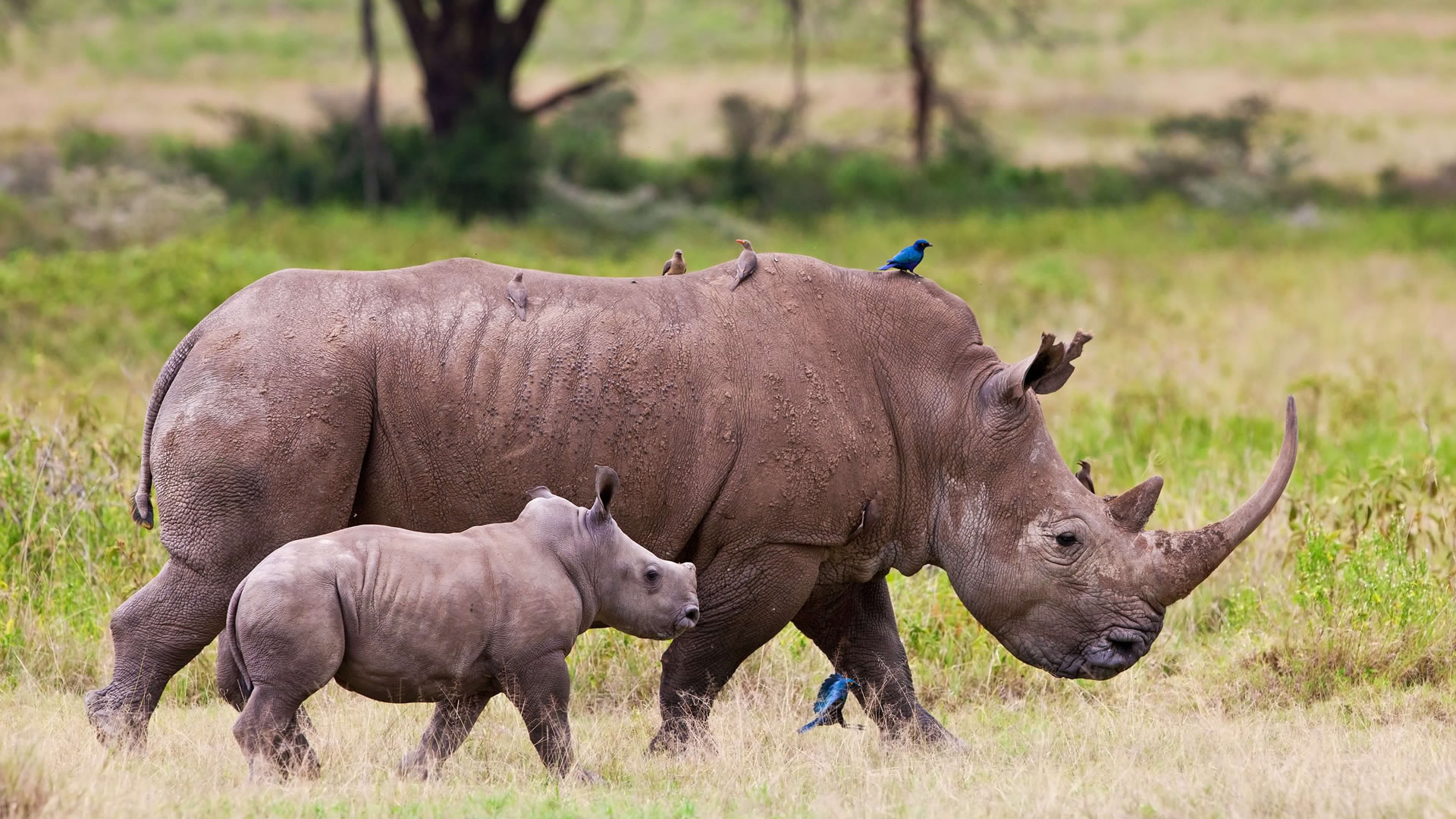
Tanzania wildlife safaris offer great opportunities to view the Big Five roaming the savannah plains, it is not uncommon to see cheetah prowling, gazelle grazing, herds of elephant wandering, lions resting atop kopjes and leopard lazing or climbing trees the most spectacular wildlife experiences in the world.
These are animals you can expect to see on Tanzania safari, you’ll encounter the BIG 5: African Buffalo, Black and White Rhinoceros, Elephant, Leopard and Lion. You’ll also see the Gazelle, Giraffe, Hyena, Wildebeest, Warthogs, and more in Tanzania’s national parks, like the Serengeti National Park. This experience is so beautiful because they’re in their natural habitat, where you can see them at a safe distance.
6. In what type of vehicle will i have game drives?
Tanzania Safaris, vehicles are specially modified to ensure safety, comfort, and unobstructed views. From open-roof 4×4WD Land Cruisers to extended safari vans, every vehicle is customized to handle rugged terrains and to provide travelers with panoramic access to encounter the magnificent wildlife. Our safari vehicles have large sliding windows and pop-up roofs, providing fantastic opportunities for safe and undisturbed photography. Built for the rugged terrain of the African bush and maintained to European standards, our fleet is reliable and comfortable, maneuvered by our experienced knowledgeable Safari guide.
7. Is there access to Wi-Fi or internet access?
Tanzania has a widespread internet and Wi-Fi access. Connectivity is highly reliable and fast (often 4G LTE) in major cities and tourist hubs. Wi-Fi is available at most hotels and lodges, especially in major towns and luxury accommodations. However, access becomes spotty or unavailable as you venture deep into remote wilderness and safari areas.
Tip: If staying connected is essential, purchase a local SIM card (such as Vodacom or Airtel) with a data bundle upon arrival. Mobile network coverage is surprisingly good in many parts of the country, even in rural areas. Connectivity is highly reliable and fast
8. Is there power to charge a phone, camera, video camera, laptop or iPad?
The camps and lodges have power – perhaps as solar lighting or a generator. Your charger must be 220 – voltage. The required adaptor plugs are included in most international travel adaptor kits. Power sockets are plug type G (the British-style 3 rectangular pin plug, compatible with UK-style plugs).
9. How do we book?
First contact our team of travel experts who will help you plan your trip and will provide a quotation. You can use our simple online Booking Enquiry form or email us on info@imagetravelltd.com or call one of our Specialists on +44 7836 210052. If you choose to proceed with a booking we will check availability at the hotels, camps and lodges and hold bookings provisional where possible. A binding contract between you and Image Travel comes into existence once we have accepted your booking by issuing an invoice and a deposit has been paid by you. The deposit of 40% of the invoice must be paid on receiving our invoice, and the remainder 60 days before commencement of our services. Payments can be made by debit / credit card (MasterCard, Visa, American Express) via our secure online payment system. Alternatively, payments may be made by bank transfer.
10. How Does Tipping Work on a Kenya Safari?
Tipping is an appreciation gesture to acknowledge the excellent service from your safari team, from approximately $15 to $20 per person per day for your guide and a 10% tip is standard for restaurant bills in cities. It is best to tip in cash using either US dollars or Kenyan shillings, which are both widely accepted for gratuities.
11. Do i need visas for safari in East Africa?
Visas are required in advance of travel to Tanzania,Kenya, Uganda and Rwanda. Visas for Tanzania and Uganda are applied on Online and Rwanda are easily purchased upon arrival. Details on how to obtain your various travel authorizations as well as an accommodation confirmation will be delivered to you in plenty of time before your departure.




 Expert Guides
 Value for Money
  24 Hour Support